
 By
By 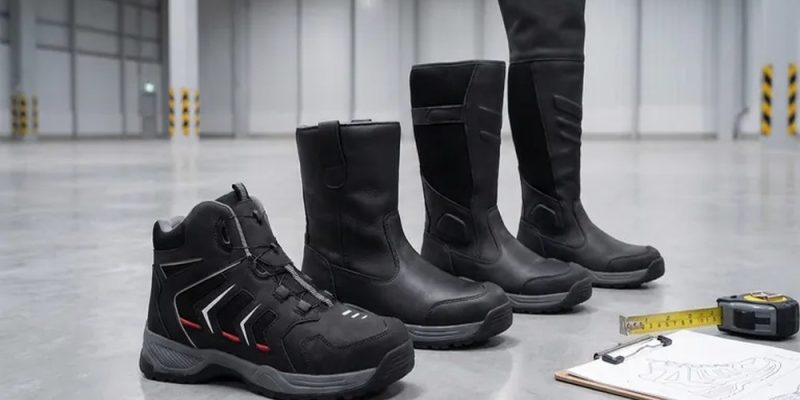
Down here in Texas, we know a thing or two about hard work and high heat. But for the men and women keeping the lights on, the job isn’t just about sweat-it’s about physics, precision, and the gear that keeps you from a nasty fall. If you’ve ever stared up at a 40-foot utility pole during a thunderstorm, you know that your lineman climbing boots are the only thing standing between a successful day’s work and a trip to the ER.
One of the most debated topics in the yard is boot height. Is a 10-inch boot enough, or do you need that classic 16-inch tall-boy? It’s not just a fashion statement or a way to look like a “real” hand. When it comes to lineman climbing gear, shaft height is a critical safety feature that dictates how your body handles the strain of the climb.
The Science of the Shank: Why Height Isn’t Just for Show
When you’re “wood walking,” your legs are doing a lot more than just holding you up. You’re engaging a heavy-duty set of gaffs (spikes) and relying on the lateral stability of your climbing boots. A shorter boot might feel great for driving the truck or walking the warehouse floor, but once you strap on those irons, the game changes.
High-top lineman pole climbing boots serve a primary purpose: protection against the “gaff kick.” As you drive your spike into the cedar or pine, the torque applied to your ankle is massive. A taller shaft, typically 16 inches, acts like a secondary exoskeleton. It distributes the pressure of the leg iron straps across a larger surface area of your calf. Without that height, those heavy leather straps would dig directly into your soft tissue and bone, causing “shinsplints” that make every step a nightmare.
Safety First: Protecting Against the Elements and Impact
A lineman’s life is a “contact sport.” Between the pole, the hardware, and the environment, your lower legs are constantly in the line of fire. Lineman boots aren’t just for climbing; they are armor.
- Brush and Debris: When you’re clearing a right-of-way in the Texas brush, tall boots protect you from briars, snakes, and jagged branches.
- The Pole Surface: Creosote-treated poles are nasty. That chemical can irritate the skin, and a tall boot ensures your legs don’t make direct contact with the pole surface while you’re shimmying or positioning.
- Support for the Long Haul: Studies show that linemen can spend up to 4 to 6 hours a day on their hooks during major storm restorations. The extra height in lineman climbing boots provides the necessary calf support to prevent muscle fatigue, which is a leading cause of “cut-outs” (when the gaff slips from the wood).
Essential Tools of the Trade: More Than Just Boots
While your boots are the foundation, they’re part of a larger ecosystem of Lineman Climbing Gear. To understand why boot height matters, you have to look at the hand tools a lineman carries. These aren’t your average DIY-store screwdrivers.
1. Lineman’s Pliers (Kleins): These are the holy grail. Used for cutting, twisting, and gripping heavy-gauge wire.
2. Skinning Knife: A specialized blade used to strip insulation off high-voltage cables.
3. Speed Wrench: Crucial for tightening bolts on crossarms while hanging off the side of a pole.
4. The Nut Runner: Often battery-operated now, but still a staple for heavy hardware installation.
When you’re reaching for these tools, your weight shifts. If your climbing boots don’t have a high enough shaft to stabilize your ankle, a simple reach for a wrench could cause a loss of balance.
The Anatomy of a Lineman Pole Climbing Boot
What makes these boots different from your standard work boot? It’s all in the construction.
- The Heavy-Duty Shank: Most lineman boots feature a dual-steel or extra-wide composite shank. This provides a flat, rigid platform for the foot so it doesn’t “wrap” around the pole or the gaff stirrup.
- The Side Patch: Look at any quality pair of lineman climbing boots and you’ll see a reinforced leather patch on the inside of the arch. This protects the boot from the constant friction of the pole.
- Heel Height: A deep, 90-degree heel is non-negotiable. It locks the gaff stirrup in place, preventing it from sliding forward or backward while you’re mid-climb.
Does One Size (or Height) Fit All?
Is a 16-inch boot always better than a 10-inch? Not necessarily. It depends on the task. If you’re a “bucket baby” who spends 90% of the time in an aerial lift, a 10-inch boot offers more flexibility and comfort. However, if you’re a “grunt” or a “journeyman” who still spends a lot of time on the wood, that extra 6 inches of leather is a literal lifesaver.
Think of it like this: would you go skydiving with a parachute that’s “mostly” big enough? Probably not. When you’re 50 feet up, you want every advantage you can get.
Common Myths About Tall Climbing Boots
Myth 1: They are too hot. While they do cover more skin, modern lineman boots use moisture-wicking liners. In the Texas heat, the protection from the sun and the pole chemicals often outweighs the extra warmth.
Myth 2: They are too heavy. They are heavier, but the weight is an investment in stability. The extra ounces prevent the pounds of pressure from the gaff straps from bruising your legs.
Conclusion: Choosing Your Foundation
At the end of the day, being a lineman is about coming home in one piece. Your gear is your lifeline. Choosing the right shaft height in your lineman climbing boots isn’t about following a trend; it’s about understanding the mechanics of the climb. High-shaft boots provide the lateral support, strap protection, and stability needed to handle the grueling physical demands of the utility industry.
So, next time you’re looking at a fresh catalog of Lineman Climbing Gear, don’t just look at the price tag or the color. Look at the height. Your shins, your ankles, and your family will thank you.
FAQs
1. Why is a 90-degree heel important for lineman climbing boots? The 90-degree heel is designed to “lock” the stirrup of the climbing gaffs in place. Without a defined heel, the gaff could slide, causing the climber to lose their footing and potentially fall.
2. How often should I replace my lineman boots? It depends on the wear, but most linemen replace their boots every 12 to 24 months. If you see the stitching failing or the shank feels “soft,” it’s time for a new pair to ensure climbing safety.
3. Can I use regular logger boots for power lineman work? While loggers look similar, true lineman pole climbing boots have a specialized, wider shank to handle the narrow pressure of a gaff. Regular loggers may cause “arch fatigue” or even break under the stress of climbing.
4. Does boot height help with electrical insulation? While the leather provides some barrier, the height is mainly for physical support. For electrical safety, you must look for boots with an “EH” (Electrical Hazard) rating, which is tested to withstand specific voltages.
5. How do I break in 16-inch lineman boots faster? The best way is to wear them around the house or during light ground work before the first big climb. Using a high-quality leather conditioner can also help soften the leather at the flex points without compromising the boot’s structural integrity.











Comments