
 By
By 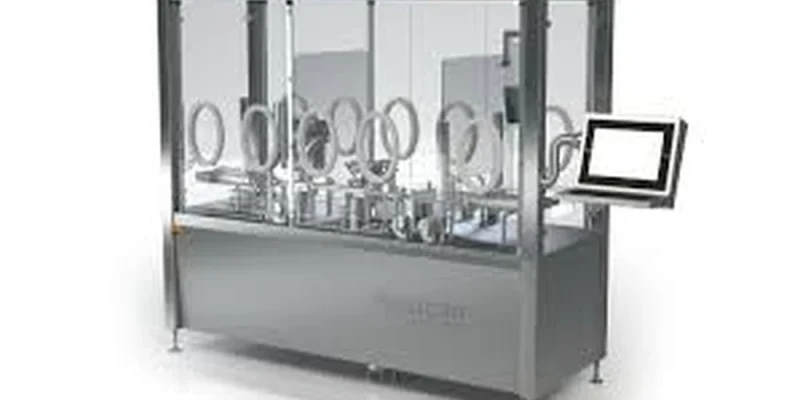
A filling head is a machine; a filling system is a sequence. The difference matters because manufacturers who buy the first and expect the results of the second end up with a fast station surrounded by manual work that has quietly become the new constraint. Specifying can filling systems singapore plants can actually run means designing the whole sequence from empty container to palletised load.
The Stations in Order
A complete line runs, denesting or feeding of empty cans, conveying and positioning, filling, lid placement, sealing or clinching, labelling and coding, then palletising and wrapping. Each can be manual, semi-automatic or automatic, and they do not have to match. Many operations run an automatic filler and sealer with manual palletising and get most of the available benefit. What matters is that the choice at each station is deliberate rather than inherited.
Balancing the Line
A line runs at the speed of its slowest station, so specifying a filler faster than the sealer simply builds a queue. Before buying anything, time each stage across a normal shift and identify the genuine constraint. The result frequently redirects the investment somewhere cheaper than expected, and it always prevents the common outcome of a substantial machine purchase producing a marginal improvement in output because the bottleneck was never the filler.
Denesting and Empty Container Supply
Empty cans arrive nested or in bulk and must reach the filler singulated and upright. A denester separates and places them automatically, removing a repetitive manual task that on many semi-automatic lines is the actual limit on throughput. Beyond that, conveyor design, guide rails and stop gates determine whether the line runs continuously or jams every few minutes, and metal containers are unforgiving here because they dent rather than flex.
Filling Method Follows the Product
Free-flowing solvents and thinners suit flow-meter or gravity filling. Paints, coatings and adhesives need positive displacement through piston or lobe pump systems. Anything that foams requires a diving nozzle filling beneath the rising surface. Where product is sold by weight or density varies with batch and temperature, weigh filling on load cells is more accurate than volumetric measurement and generates a record per container. Provide viscosity, foaming behaviour and a safety data sheet before any of this is discussed.
Accumulation Between Stations
The detail that separates a line which runs from one which stutters is buffer. Short accumulation conveyors between stations allow one machine to stop briefly without halting its neighbours, absorbing the small stoppages that occur constantly in any real operation. Lines designed without accumulation propagate every minor interruption along the whole sequence. Ask any supplier where buffering is provided and how many containers each buffer holds, since this is rarely mentioned in a quotation and materially affects real output.
Sealing, Coding and Compliance
Lid placement and seaming or clinching determine whether the product survives storage, and seal integrity checks are worth building into the line rather than sampling occasionally. Coding for batch, fill date and hazard information is frequently mandatory for coatings and chemicals, and an unreadable code invalidates a shipment as effectively as a leaking seam. Confirm the coding method survives the product, since a mark that solvent removes during a wipe-down is not a mark at all. Suppliers of can and pail filling equipment should address this alongside the filling specification.
Hazardous Area Requirements
Where flash points bring products into a classified area, every item within that zone must be suitable for the atmosphere, including motors, sensors, enclosures and lighting. Bonding and earthing to dissipate static are essential rather than advisory, since liquid flowing into a metal container generates charge. Vapour extraction protects operators and can reduce the extent of the classified zone. Establish this at the concept stage, because equipment cannot be retrofitted into compliance at reasonable cost.
Changeover Across Products and Sizes
Plants running many colours, grades or container sizes live or die by changeover time. Ask how the wetted path is drained and flushed, how much product is lost per change, whether cleaning can be done in place, whether tools are needed, and whether container size changes are recipe-driven. A nominally fast line requiring ninety minutes per change will deliver less across a week than a slower one changing in ten, which is the calculation most often skipped when comparing machines.
Staging the Investment
Very few operations automate a whole line at once, and doing so is rarely the best use of capital. A staged approach automates the genuine constraint first, proves the benefit, then addresses whatever becomes the new constraint. What matters is that each stage is specified with the eventual line in mind: conveyor heights consistent throughout, control systems capable of talking to later additions, and physical space reserved for the stations that will follow. A first machine bought without that forward view frequently has to be moved or replaced when the second arrives, which is an expensive way to discover the point.
Support, Spares and Commissioning
A stopped line costs production every hour, so local support is worth more than a marginal speed advantage. Ask where spares are stocked, what response time applies to a breakdown, whether technicians are based locally, and what training is included and for how many staff. Ask what commissioning involves and how long the line is expected to take to reach rated output. Judged on line balance, buffering, changeover and support rather than on headline throughput, can filling systems singapore manufacturers install tend to deliver the output that was promised.









Comments