
 By
By 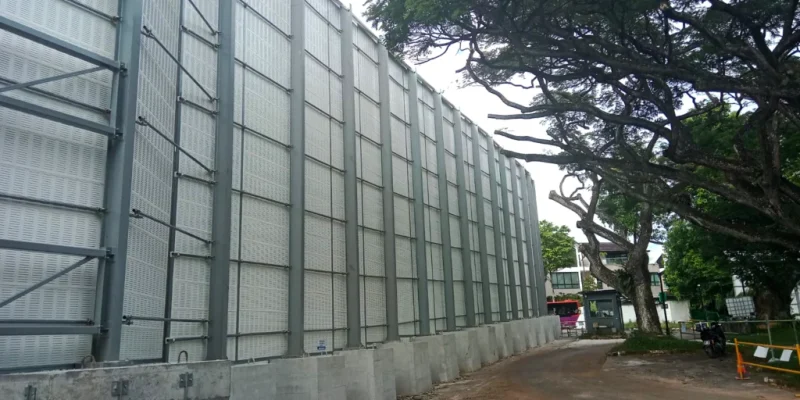
In Singapore, construction noise is tightly regulated to protect the quality of life in densely populated areas. The National Environment Agency (NEA) sets clear limits on how much noise construction activities can generate, particularly during sensitive hours and in residential zones.
These rules are not just administrative requirements. They directly influence how construction projects are planned, managed, and executed. From equipment selection to scheduling and site layout, compliance with NEA noise regulations affects nearly every major decision on site.
Understanding this connection helps explain why noise management is such a central part of modern construction planning.
How NEA Noise Limits Shape Project Planning
Before construction begins, project teams must ensure that planned activities will not exceed permitted noise levels. This often involves submitting detailed assessments and environmental plans that estimate expected noise output.
These early-stage requirements influence key planning decisions. For example, if a project is expected to operate close to residential buildings, planners may need to redesign certain elements to reduce noise exposure. This could include repositioning equipment zones or adjusting work sequences.
In some cases, the need to meet NEA limits can even affect the overall construction method chosen for a project.
Scheduling Work Around Noise Restrictions
One of the most direct impacts of NEA regulations is on construction scheduling. Certain activities are restricted during specific hours, especially in the evening, night-time, and early morning.
As a result, noisy operations such as piling, demolition, or heavy drilling must often be carefully timed. Project managers need to plan these activities within approved time windows to avoid breaching regulations.
This requirement can significantly affect project timelines. It may also lead to staggered workflows, where high-noise tasks are separated from other activities to maintain compliance.
Effective scheduling is therefore not just about efficiency but also about ensuring that legal noise limits are consistently met.
Equipment Selection and Noise Performance
NEA compliance also influences the type of equipment used on construction sites. Machines with lower noise output are often preferred, especially in areas where noise limits are stricter.
Contractors may choose modern machinery designed with acoustic improvements, such as insulated engines, quieter hydraulic systems, or enhanced muffling components.
In some situations, older equipment may need to be replaced or retrofitted to meet regulatory standards. While this can increase upfront costs, it reduces the risk of penalties and work interruptions later in the project.
Over time, equipment selection becomes a strategic decision that balances productivity with noise performance.
Site Layout and Noise Management Design
The physical layout of a construction site plays a major role in meeting NEA noise requirements. During the planning phase, engineers must consider how sound will travel beyond the site boundary.
Noisy operations are typically placed further away from sensitive areas such as residential blocks, schools, or healthcare facilities. Buffer zones may also be introduced to reduce direct sound transmission.
Noise barriers and hoarding systems are often integrated into this layout design. Their placement is guided by predicted noise patterns, ensuring that they provide maximum effectiveness where it matters most.
This approach helps reduce reliance on reactive measures once construction begins.
The Role of Noise Barriers in Compliance
Noise barriers are one of the most commonly used tools for meeting NEA regulations. They help reduce sound levels at the site boundary, making it easier to stay within permitted limits.
However, their effectiveness depends on proper planning and installation. A barrier placed in the wrong position or with gaps in coverage may not provide sufficient protection.
For this reason, noise barriers are typically included in early design discussions rather than added later. Their placement is informed by noise modelling studies that predict how sound will behave during different stages of construction.
When used correctly, they provide a practical and reliable way to support compliance.
Monitoring and Ongoing Noise Control
Compliance with NEA regulations does not end once construction starts. Continuous monitoring is often required to ensure that noise levels remain within approved limits.
This may involve regular site inspections, the use of sound level meters, or automated monitoring systems. If noise levels exceed acceptable thresholds, immediate corrective action is usually required.
This could include adjusting work methods, adding temporary barriers, or rescheduling certain activities. The ability to respond quickly is essential for avoiding penalties and maintaining project continuity.
Ongoing monitoring ensures that compliance is maintained throughout the entire construction phase.
Impact on Project Costs and Resources
Meeting NEA noise regulations can also influence project budgets. Investment may be required for quieter equipment, additional barriers, monitoring systems, or revised work schedules.
While these measures add to initial costs, they often help avoid more expensive issues later, such as fines, delays, or community complaints.
In many cases, noise compliance is factored into the overall project budget from the beginning. This ensures that resources are allocated appropriately and that noise control is treated as a core requirement rather than an optional extra.
Balancing Productivity and Compliance
One of the main challenges in construction planning is balancing productivity with regulatory compliance. Strict noise limits can sometimes restrict the timing or intensity of certain activities, which may affect overall efficiency.
However, experienced project teams learn to work within these constraints by adjusting workflows and adopting alternative methods. Prefabrication, phased construction, and improved site coordination are often used to maintain progress while staying compliant.
This balance is essential for delivering projects on time without compromising regulatory standards.
Final Thoughts
NEA noise regulations have a significant influence on how construction projects are designed and managed in Singapore. They affect decisions related to scheduling, equipment selection, site layout, and noise control strategies.
Rather than being viewed as limitations, these regulations often encourage more thoughtful and efficient planning. By integrating compliance into the early stages of a project, construction teams can reduce risks, improve coordination, and maintain smoother operations.
Ultimately, effective noise management is not just about meeting legal requirements. It is about creating a construction process that is responsible, well-organised, and considerate of the surrounding environment.





Comments