
 By
By 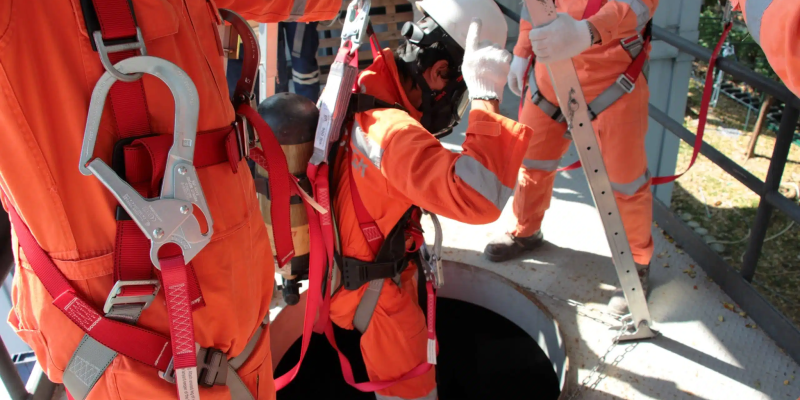
Workplaces that involve tanks, tunnels, silos, or other enclosed areas often present unique safety challenges. These areas, known as confined spaces, can be dangerous due to limited entry, restricted movement, and potential exposure to harmful gases or chemicals. Ensuring safety in such environments requires specialized training, equipment, and procedures. This is where confined space rescue services play a crucial role. These services are designed to protect workers, prevent accidents, and respond effectively when emergencies occur.
Understanding Confined Space Hazards
Confined spaces pose risks that are not typically found in open work environments. Workers may encounter oxygen deficiency, toxic gases, flammable substances, or sudden flooding. Additionally, the design of confined spaces can make it difficult to move or escape quickly in case of an emergency. Understanding these hazards is the first step in preventing accidents. Employers and safety teams must identify confined spaces, evaluate risks, and ensure that proper safety measures are in place. Confined space rescue services help by providing expertise in recognizing dangers and implementing preventive strategies.
Specialized Training for Confined Space Rescue
One of the main ways confined space rescue services improve workplace safety is through specialized training. Rescue teams are trained to handle emergencies in environments that are difficult to access and dangerous to enter. This training includes learning how to use harnesses, ropes, breathing apparatus, and monitoring devices. Workers are also trained to perform rescues without putting themselves at risk. By having trained professionals on-site or on call, workplaces can respond quickly to accidents, reducing the chances of serious injury or fatality.
Advanced Equipment and Safety Protocols
Confined space rescue relies heavily on advanced equipment and well-defined protocols. Rescue teams use tools like gas detectors, ventilation systems, and communication devices to ensure a safe working environment. Safety protocols guide every step of the operation, from entry to evacuation. These measures prevent unnecessary exposure to hazards and help coordinate an efficient rescue if an incident occurs. By following strict procedures and using the right equipment, confined space rescue services minimize the risks associated with working in enclosed areas.
Emergency Response and Preparedness
Preparedness is a critical aspect of workplace safety. Confined space rescue services focus on creating emergency response plans that can be activated immediately when an accident happens. This includes identifying potential hazards, assigning responsibilities, and conducting regular drills. Workers become familiar with escape routes, rescue techniques, and communication procedures. Being prepared ensures that if an emergency occurs, the rescue operation is swift and organized. This proactive approach saves lives and prevents minor incidents from becoming major disasters.
Collaboration with Workplace Safety Teams
Confined space rescue services work closely with employers and safety officers to maintain a safe work environment. They provide guidance on hazard assessments, rescue planning, and safety compliance. Regular inspections and risk evaluations help identify potential dangers before they become emergencies. This collaboration ensures that safety standards are consistently met and that all employees understand the importance of following safety guidelines. By integrating rescue services into the overall safety strategy, workplaces create a culture of safety and responsibility.
Continuous Improvement and Safety Awareness
Workplace safety is an ongoing effort. Confined space rescue services contribute to continuous improvement by updating procedures, training programs, and equipment based on new safety standards and technological advancements. They also promote safety awareness among workers, helping them recognize hazards and respond appropriately. This culture of vigilance and learning reduces the likelihood of accidents and ensures that employees are prepared to handle confined space challenges effectively.
Conclusion
Confined spaces can be highly hazardous, but the presence of professional confined space rescue services makes a significant difference in workplace safety. Through specialized training, advanced equipment, strict protocols, and collaboration with safety teams, these services protect workers and prevent accidents. Being prepared and maintaining awareness of potential hazards ensures that confined spaces are navigated safely and that emergencies are handled efficiently. Investing in confined space rescue is not only a legal and regulatory requirement for many industries but also a crucial step in safeguarding the lives of employees and creating a secure work environment.










Comments