
 By
By 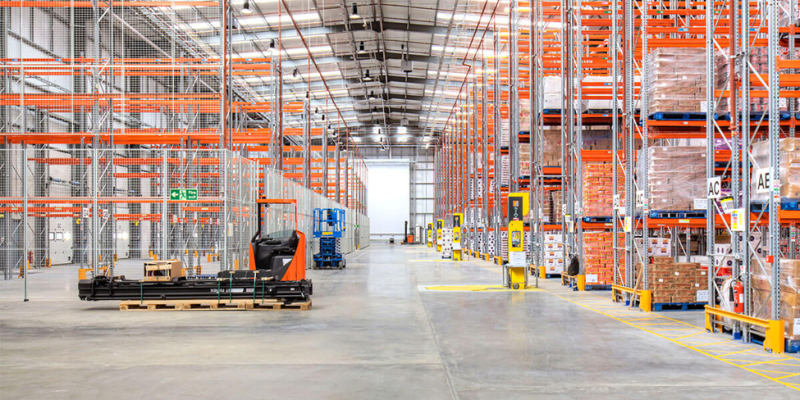
For businesses new to outsourcing logistics, partnering with a third-party logistics provider (3PL) can initially feel overwhelming or costly. Handing over fulfillment operations to an external partner may also raise concerns about losing control. However, working with a 3PL is often a strategic move that simplifies operations rather than complicates them.
By outsourcing fulfillment to a 3PL warehouse, sellers can delegate day-to-day logistics tasks while focusing more on their core business objectives and overall supply chain strategy. Most 3PL providers offer services that fall into three main areas: supply chain management, inventory management, and transportation management. Below are the core fulfillment services typically handled by a 3PL.
Receiving
Receiving is the first step in the fulfillment process and involves coordinating the arrival of inventory at the fulfillment center.
Once products arrive, the 3PL receives and stores them until they are ready to be shipped to customers. This process often requires close coordination with inbound transportation partners to ensure shipments arrive on schedule and in line with anticipated demand. Clear communication ahead of delivery dates helps ensure sufficient transportation capacity and smooth handoffs.
Warehouse capacity varies by provider, so it is important to work with a 3PL that can accommodate current inventory levels while also scaling as your business grows. Each product is assigned a unique SKU and a designated storage location within the warehouse. During receiving, quantities are verified against purchase orders to confirm accuracy.
A capable 3PL should also support specific storage requirements, such as temperature control or enhanced security, and operate facilities located close to key customer markets to reduce shipping times and costs.
Some providers also offer distributed inventory solutions, operating multiple fulfillment centers. Inventory can be split across locations or redistributed internally, allowing businesses to position products closer to customers, shorten delivery times, and reduce shipping expenses.
Picking
Picking begins when a customer places an order and marks the start of the active fulfillment process.
Orders should flow seamlessly from the seller’s ecommerce platform or sales channel into the 3PL’s warehouse management system (WMS). Automated order integration is essential, as manual uploads can be inefficient, time-consuming, and prone to errors.
Once an order is received in the WMS, warehouse staff retrieve the required items from their storage locations. Service level agreements (SLAs) define how quickly orders must be processed, with many sellers expecting same-day fulfillment.
A reliable 3PL must be equipped to handle different order types, from direct-to-consumer ecommerce orders to larger wholesale or business-to-business shipments, each of which may require different picking methods and workflows.
Packing
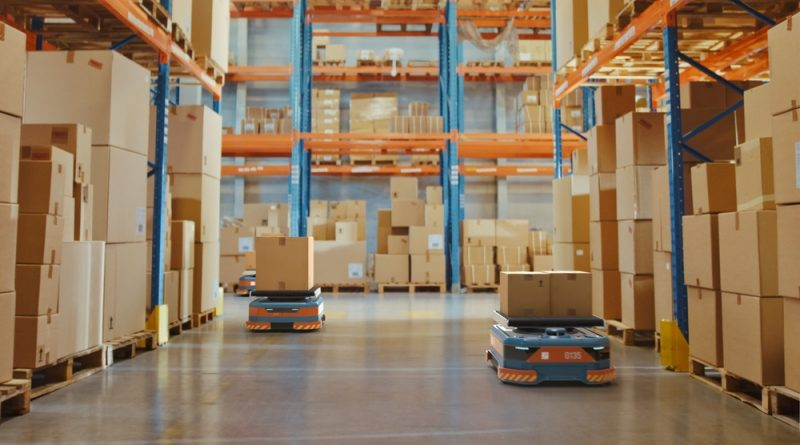
After picking, items are prepared for shipment during the packing stage.
During onboarding, the 3PL works with the seller to determine optimal packaging solutions that protect products, present them professionally, and control costs. This includes selecting the right box sizes, packing materials, and handling procedures.
Many 3PLs also support customized packing options, such as branded packaging, inserts, or special labeling, helping businesses enhance the unboxing experience and reinforce brand identity.
Shipping
Shipping is often the most complex and costly part of the fulfillment process due to the number of carriers, service levels, cutoff times, and destination variables involved.
An experienced 3PL can design an efficient shipping strategy that balances cost, speed, and reliability. Because 3PLs ship high volumes across multiple clients, they can often negotiate better carrier rates than individual sellers can secure on their own.
Providers with multiple fulfillment centers can further optimize shipping by routing orders from the closest facility to the customer. The 3PL handles shipping label creation, carrier selection, and tracking updates, ensuring both sellers and customers have visibility into shipment status.
Returns
Returns management, also known as reverse logistics, plays a critical role in customer satisfaction.
Returns can occur for many reasons, including damage, incorrect orders, or changes in customer preference. Not all 3PLs offer returns services due to the complexity involved, but those that do should have well-defined processes in place.
When a return is initiated, the 3PL receives the item, inspects it, verifies the reason for return, and takes action based on the seller’s guidelines. This may include restocking the item, disposing of it, or sending a replacement. In some cases, replacement shipments can be triggered automatically once the return is received.
Comprehensive reporting on returned items helps sellers identify trends, reduce return rates, and improve product quality or fulfillment accuracy.
Bottom Line
In addition to core fulfillment operations, many 3PL providers also offer broader logistics support, including supply chain management, inventory planning, transportation management, and freight forwarding. However, if a provider cannot consistently execute the essential services outlined above, businesses should proceed with caution.
When a 3PL delivers on these core competencies, sellers can benefit from reduced operational costs, improved efficiency, faster delivery times, and a better overall customer experience. Choosing the right 3PL partner can be a powerful step toward scalable and sustainable growth.








Comments